
Preventing Vibration Loosening in Automotive & Industrial Check Nuts
Introduction
Vibration loosening represents one of the most persistent failure modes in automotive running gear, high-speed machine spindles, vibrating screens, and heavy stamping equipment. When an assembly experiences alternating transverse (sideways) vibration, the relative microscopic slip between male and female thread flanks rapidly diminishes initial clamp load. Within thousands of cyclic reversals, fasteners can back off entirely, causing severe mechanical breakdown.
Check nuts (also known as jam nuts or locking nuts) serve as the primary defensive barrier against vibrational self-loosening across industrial assemblies.
The Two-Nut Locking Mechanism Explained
When properly installed, two nuts tightened against each other create an internal opposing tensile force in the bolt shank between them. To maximize locking efficiency, standard engineering practice dictates installing the thinner check nut first, torquing it to 30–50% of the target preload, and then tightening the primary thick nut on top to full torque while holding the bottom nut stationary.
This relative displacement forces the thread flanks of the two nuts to press against opposite sides of the bolt thread, locking the assembly mechanically regardless of external vibration amplitudes.
Precision Machining & Thread Tolerances
The effectiveness of a check nut depends directly on thread concentricity, pitch squareness, and flank angle consistency. Rough thread finishes or tilted bearing faces create uneven localized point contact, which yields under dynamic shock and accelerates joint loosening.
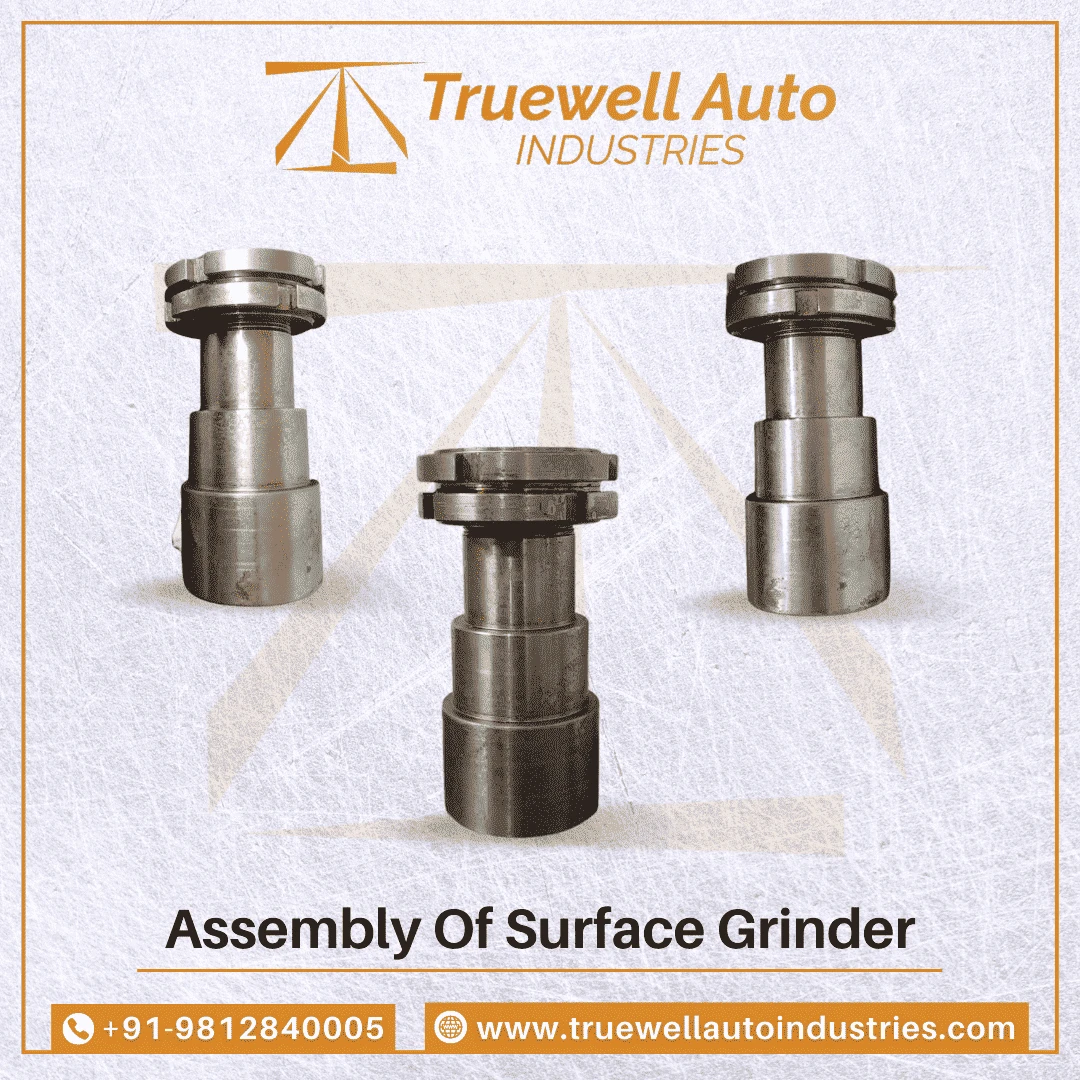
At Truewell Auto Industries, all check nuts are precision manufactured using dedicated CNC single-point threading or rigid tap toolholders, delivering ISO 6H / 6g metric thread fits with clean, burnished bearing faces.
Surface Coatings for Friction Control
Consistent friction coefficients are paramount for predictable fastener torque-tension relationships. Truewell Auto Industries supplies check nuts with specialized black oxide, phosphated, and trivalent zinc finishes engineered to maintain stable friction parameters while providing superior corrosion resistance across automotive chassis, engine brackets, and industrial machinery assemblies.

